
From Margin Pressure to 200% Growth: How a Manila Solar Installer Rebuilt Her Business by Sourcing Directly from China
In Metro Manila, rooftop solar is no longer a niche product. It is becoming a practical solution for households and small businesses trying to manage some of the highest electricity costs in Southeast Asia. The Philippine government has also been pushing to expand net metering and make rooftop solar adoption easier, which has brought more consumer interest into the market.
For Maricel, that should have been good news.
Instead, by 2024, it felt like her business was being squeezed from every direction.
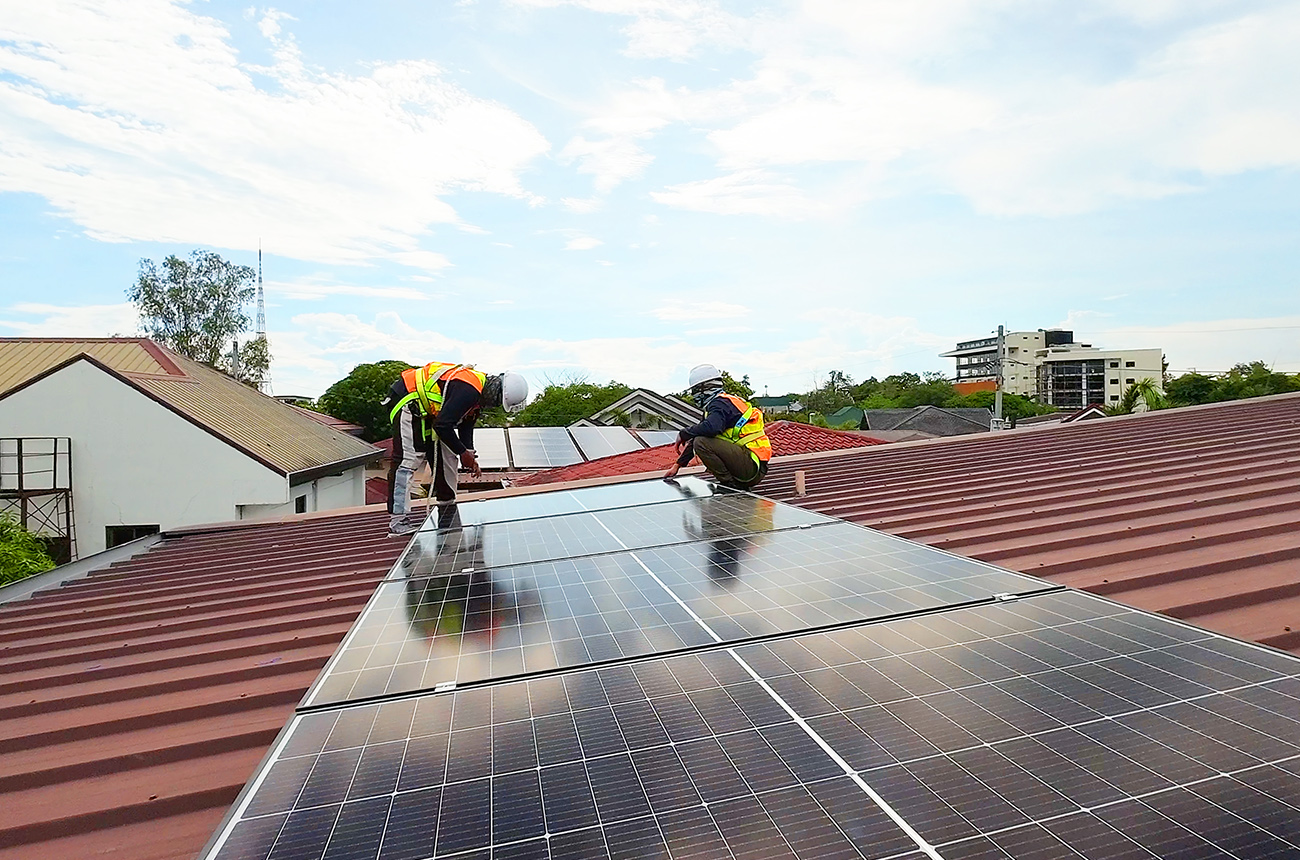
She ran a small but capable solar installation company in the National Capital Region, with a five-person team handling everything from site visits and system design to installation, testing, and after-sales support. It was the kind of business built on hustle. Maricel was not sitting in an office sending quotations all day. She was out on rooftops in the heat, checking structural conditions, meeting homeowners, answering questions about energy savings, and solving last-minute problems when deliveries ran late or a battery cabinet did not fit the original layout.
Her company focused mainly on residential rooftop systems and small commercial projects — homes, small apartment buildings, neighborhood retail spaces, and family-run businesses that wanted lower monthly electricity bills and better protection against outages. In theory, demand was growing. In practice, so was competition.
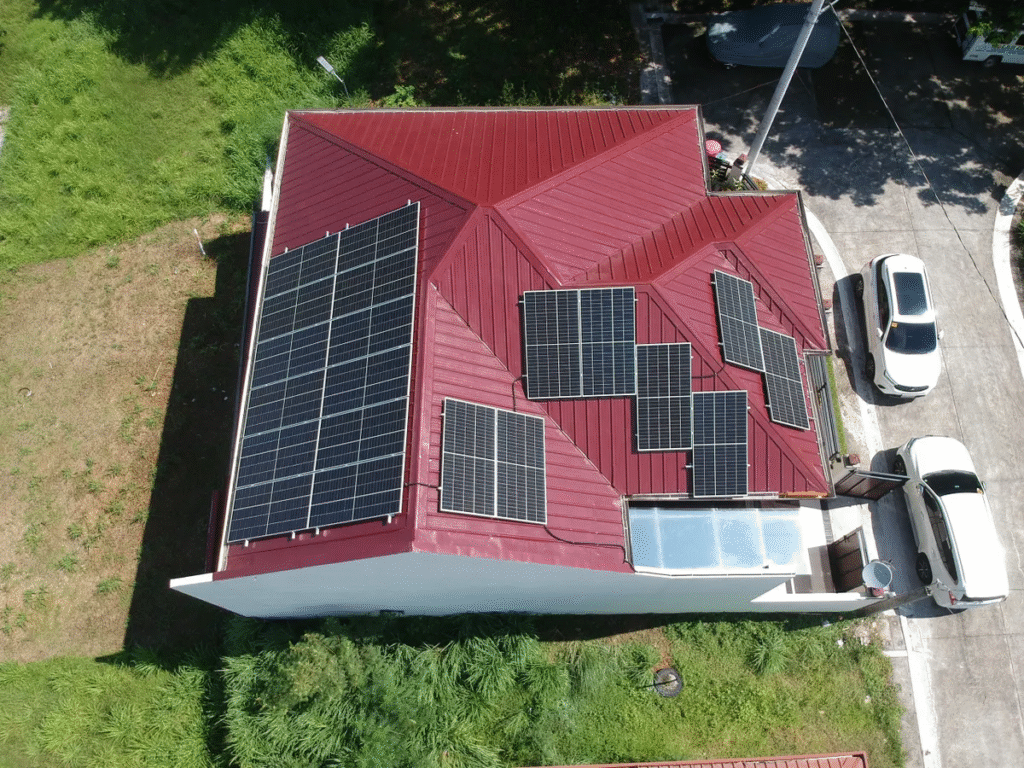
Project conducted by Marcel's team
The Philippine solar market was becoming more crowded and more fragmented. New installers kept entering the market, often competing aggressively on price. Buyers were excited about solar, but they were also cautious, highly price-sensitive, and often comparing several quotes before making a decision. For a small local installer like Maricel, that created a brutal environment: clients expected trusted brands, fast turnaround, and clean installation quality — but they also wanted the lowest possible price.
That was where the pressure became unbearable.
Maricel had been buying major Chinese brands through Manila distributors. The products were familiar to customers and relatively easy to sell, but the numbers were getting worse every month. Distributor pricing left little room for profit, especially when projects were small and overhead could not be spread across dozens of installations. On paper, revenue looked acceptable. In reality, the margins were thin, cash flow was tight, and every delayed payment or warranty issue hurt.
A typical 5kW rooftop system cost her roughly PHP 350,000 to source locally. By the time labor, transport, wiring accessories, mounting structure, and overhead were added, her profit could shrink to around PHP 40,000. Then came the real pressure: another installer would quote lower, sometimes by a painful margin, and the customer would disappear.
It was not just about price.
The local supply chain had become frustrating in ways that made daily operations harder. Sometimes there were stock gaps. Sometimes a component that had been quoted one week was suddenly unavailable the next. Sometimes the lead time slipped, but the customer had already been promised an installation date. And when after-sales issues happened, Maricel’s team was the one taking the calls, calming nervous homeowners, revisiting sites, and absorbing the reputational cost.
At one point, it felt like the company was working harder just to stand still.
That was when Maricel decided she had to change the sourcing model, not just negotiate harder with the same suppliers.
She turned to Escom Sourcing with a simple but urgent goal: find a more competitive, reliable supply source that would allow her company to keep selling quality solar systems without being trapped by distributor markups. What followed was not just a price adjustment. It was a structural shift in how her business operated.
Escom connected her with a manufacturer in Yibin, Sichuan — part of one of China’s fast-rising solar and clean-energy manufacturing ecosystems. China still dominates global solar PV manufacturing across the value chain, and inland production hubs have been gaining importance alongside the older coastal clusters. Yibin has also been building out its photovoltaic and battery industries rapidly, with local government reporting strong growth in output value in 2025.
For Maricel, the appeal was immediate.
This was not just a broker offering a cheaper module. The factory ecosystem was deeper, more integrated, and more responsive. Components, cells, modules, and related clean-energy manufacturing capabilities were concentrated within a stronger industrial chain. Sichuan’s abundant hydropower also gave the region a long-term structural advantage in power-intensive manufacturing.
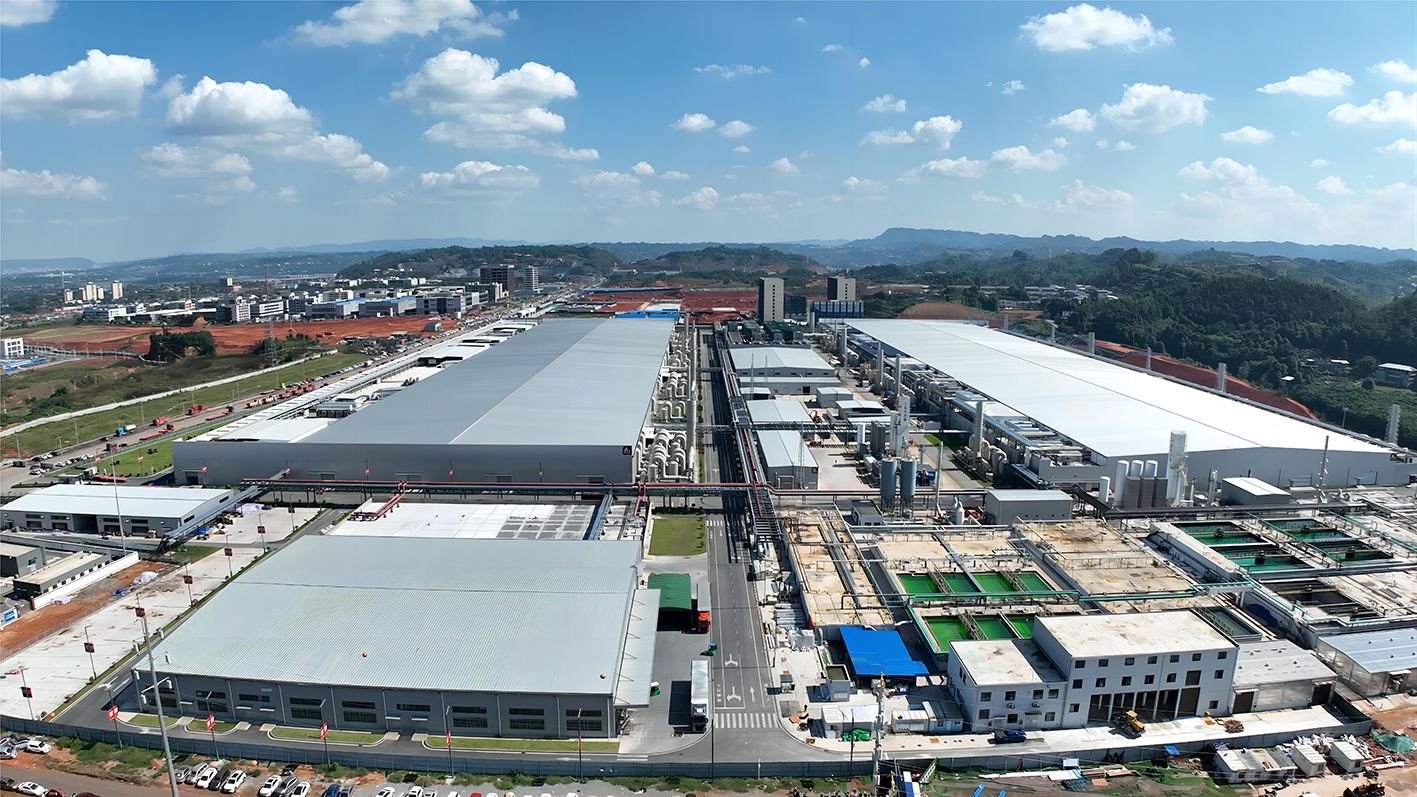
Maricel's Supplier Factory in Yibin China
The first thing Maricel noticed was clarity.
The new sourcing setup gave her better visibility into what she was actually buying. Product specifications were more explicit. Warranty terms were clearer. Communication around production and shipment was tighter. Instead of relying on a local distributor’s stock sheet and sales promise, she was now working through a supply chain that was closer to the manufacturing source.
Then came the numbers.
When the first shipment arrived in Manila in early 2025, the total landed cost — including shipping and import-related expenses — was still about 25% lower than what she had been paying through local distribution channels. A system that had previously cost around PHP 350,000 now landed closer to PHP 262,500.
That changed everything.
Suddenly, Maricel no longer had to choose between staying competitive and staying profitable. She could lower her client quotations by around 15%, making her proposals much more attractive in a crowded market, while still improving her own margins to a healthier level.
But the real transformation went beyond gross margin.
With the new suppliers, her sales conversations improved because she could speak with more confidence. She no longer had to nervously justify a premium price while knowing her competitors might be sourcing more cheaply. She could offer clients a better-value package: solid hardware, a longer warranty, and a more competitive installed price.
That made a big difference in the kind of customers she was serving. In Metro Manila, homeowners are not only price-conscious; they are also very practical. They ask detailed questions. They want to know how long the system will last, how much it will save, what happens during blackouts, and who they will call if something goes wrong. Maricel’s team became much better positioned to answer those questions convincingly because the product itself was more competitive.
Operations improved, too.
Before the sourcing shift, too much of the team’s time was spent dealing with friction: chasing updates, adjusting to inconsistent availability, managing customer disappointment when lead times slipped, and handling product issues that created unnecessary site revisits. After switching suppliers, the business felt more stable. Product quality was more consistent. Installations went more smoothly. Callbacks dropped. Warranty headaches eased.
That last part mattered more than outsiders might think.
For a five-person company, every unnecessary revisit is expensive. It is not just transport and labor. It is lost selling time. It is delayed installations. It is stress. It is one more customer waiting for a quotation because the team is busy fixing yesterday’s problem instead of installing tomorrow’s system.
Six months after shifting to the new supply arrangement, Maricel’s team had a result they had not seen before: zero client complaints and zero product replacements from those new installations. Compared with the 5% to 7% warranty or replacement issues they had previously dealt with on some projects, that was a major operational and reputational win.
And then the referrals started accelerating.
Customers began recommending the company to neighbors, relatives, and business owners in their circles. Some were impressed by the savings. Others liked the stronger system performance and more reliable backup during outages. But many simply appreciated that the installation felt professional and the company remained responsive after the job was done.
That word-of-mouth effect, combined with better pricing, pushed demand sharply upward.
In 2024, Maricel’s team was completing around two to three installations per month. By 2025, they were on track for 12 to 15 per month. Revenue was rising fast, but just as importantly, the business felt healthier. Instead of constantly defending shrinking margins, the company was finally building momentum.
Maricel also started thinking differently about growth.
Previously, expansion had felt risky. Hiring more people or taking on more projects would only magnify the sourcing problem if margins stayed weak. But with better supplier economics and more predictable product performance, scaling became realistic. She could plan inventory more confidently, quote more aggressively, and think about expanding her team without feeling like the business was balanced on a knife edge.
In her words, direct sourcing did not just lower costs. It restored control.
And that may be the most important lesson in her story.
For small and mid-sized installers in Southeast Asia, the challenge is rarely demand alone. Demand is often there. The real challenge is converting that demand into sustainable business growth while maintaining pricing, quality, and customer trust. Maricel’s experience shows that the answer is not always to work harder within the same local purchasing model. Sometimes the real breakthrough comes from redesigning the supply chain itself.
By sourcing closer to China’s manufacturing base — and by doing so through a structured procurement partner rather than blindly chasing the cheapest quote — Maricel’s team moved from reactive survival to confident growth.
Today, her business is no longer just competing to stay alive in Manila’s crowded solar market.